
RPA process automation is a term used to describe the use of software to automate business processes. The use of RPA software can help organizations improve efficiency and productivity and reduce costs. RPA process automation can be used for a range of processes, including those that involve data entry, customer service, finance, and HR.
There are many reasons that businesses are turning to RPA as a way to streamline their operations. Continue reading to learn more about RPA and how it can benefit your company.
What is RPA?
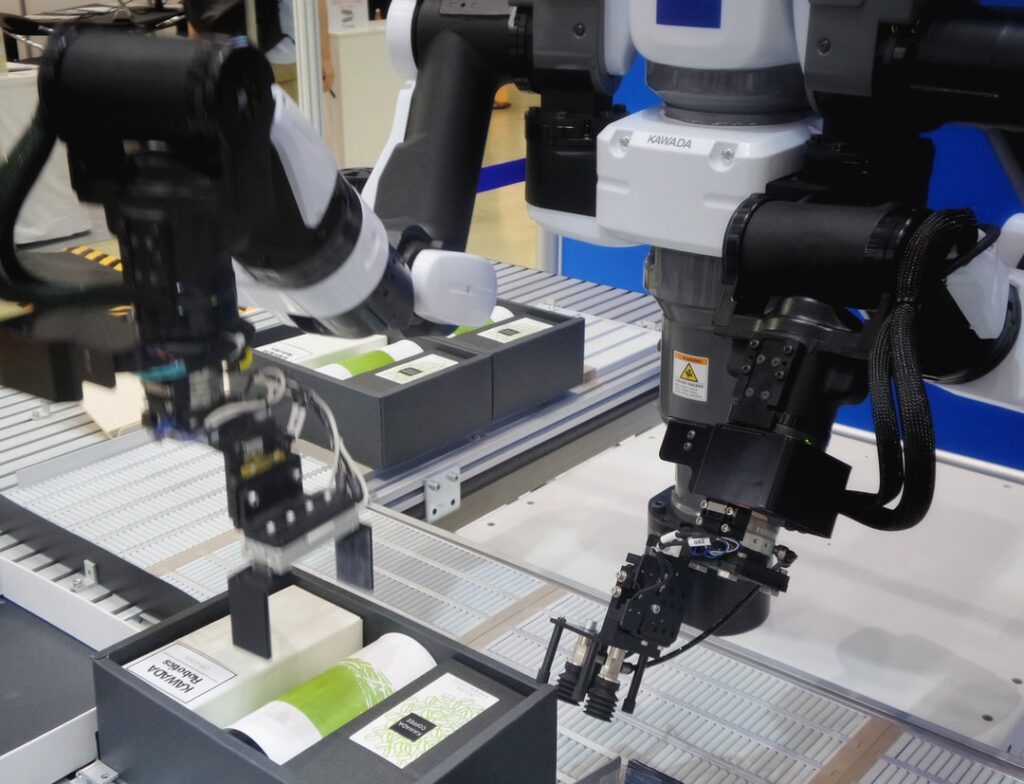
Robotic process automation (RPA) is the application of technology that allows employees in a company to configure computer software or a “robot” to automatically execute tasks or processes that were previously done by humans. RPA can be used to automate any process that is rule-based and can be completed with a digital workflow, such as data entry, claims processing, and accounting.
RPA technology is typically used to automate business processes that are time-consuming and repetitive. By automating these processes, RPA can help employees be more productive and improve accuracy and compliance.
RPA technology is based on the following three principles:
- Robots should be easy to use, just like any other software application.
- Robots should be able to work with other software applications to help automate workflows.
- Robots should be able to interpret and act on information to allow them to work with data.
How does RPA work?
RPA is achieved through the use of software that can be programmed to complete certain tasks that would traditionally be done by a human. This software can be run on a computer or on a remote server. When configured to do so, this software can be instructed to interact with other software programs and websites in order to complete certain tasks.
The first step in RPA is to identify the processes in the company that are suitable for automation. This can be done by looking for processes that are repeatable, predictable, and have clearly defined rules. Once the processes have been identified, the next step is to configure the bots to capture and interpret the rules for each process.
The bots can be configured to capture the rules in a number of ways, such as by recording the steps taken to complete the process, extracting the rules from existing documentation, or interviewing employees who are familiar with the process. Once the bots have been configured, they can be deployed to automate the process. The bots can be deployed by installing them on individual workstations or a server or by using a cloud-based solution. Once the bots have been deployed, they can be used to automate the process, whether that’s the entire process, selected steps, or in response to specific events. The bots can also be used to monitor the process and provide feedback on the results.
What are the benefits of RPA for businesses?

Some of the benefits that businesses can expect to see when they use RPA include:
- Increased efficiency: RPA can help businesses automate simple, repetitive tasks, which can lead to increased efficiency and productivity.
- Reduced costs: Automating simple tasks with RPA can help businesses reduce their operating costs.
- Improved accuracy: Automating tasks with RPA can help improve accuracy and efficiency by eliminating human error.
- Increased scalability: RPA can help businesses easily and quickly scale up or down their operations as needed.
- Improved compliance: Automating tasks with RPA can help businesses improve compliance with regulations and standards.
- Enhanced customer experience: Automating tasks with RPA can help businesses improve the customer experience by automating tasks that would traditionally require human interaction.
While RPA can be a valuable tool for companies, it is important to note that not all tasks are suitable for automation. In order to be successful, companies should carefully assess their processes and identify tasks that can be automated through the use of RPA software.
The beauty of RPA is that it can be used to automate both simple and complex business processes. RPA is an excellent way to speed up and simplify business processes.