
We don’t sleep “just like that”, but go through four sleep phases that build on each other. They form a cycle that repeats itself several times during the night. You can use your knowledge of sleep phases to improve your sleep quality.
All living things sleep, regardless of whether they are animals or humans. Your organism needs rest while your brain processes what you experienced during the day. If you are constantly exhausted and tired, you tend to forget things and make careless mistakes and therefore get even more stressed – and that can make you sick. Chronic lack of sleep can lead to depression, cardiovascular disease and cognitive problems.
That’s why healthy sleep is an important basis for your well-being. In this article you will learn more about the different sleep phases and we will give tips on how you can fall asleep better.
What are the sleep stages?
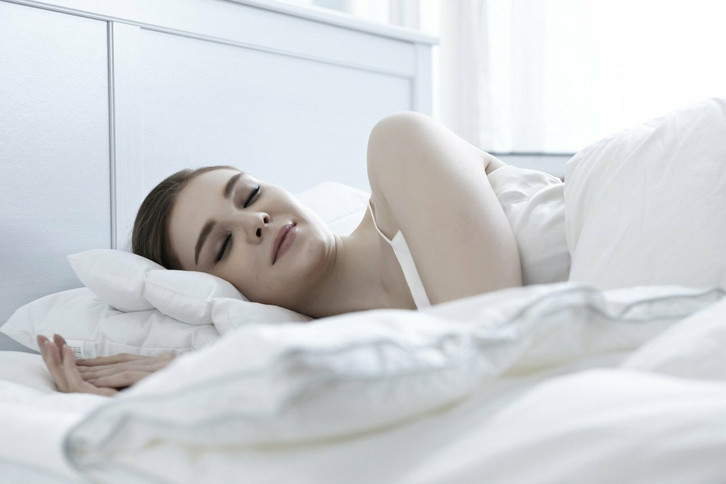
There are four stages of sleep that together last about 90 to 110 minutes and make up a sleep cycle. We usually go through four to seven such cycles night after night. Since the phases build on one another, they are all very important for a restful sleep.
These are the four sleep phases:
- The first phase of sleep is falling asleep itself. This is where you lay the foundation for the rest of the night. During this phase it is important to relax and calm your pulse and breathing.
- Then you should enter the second sleep phase, i.e. fall into stable sleep (or light sleep). Your muscles relax more and more, some of them still twitch. The brain is already asleep. This phase takes about 30 to 60 minutes in a typical sleep cycle.
- Then in the third sleep phase you slide further into deep sleep. The pulse calms down even further, the body temperature drops and dreaming begins.
- The fourth sleep phase is probably the most exciting and also a special subject of scientific research. In REM sleep (Rapid Eye Movement) the eyes move very quickly under the closed lids and you dream. Your brain is active, but not your body. Lucid dreams are most likely to occur during this phase. This means that you are aware that you are dreaming and can control what happens.
How can you prepare the sleep phases?
First of all, your attitude is very important when it comes to sleeping. You have to be ready to let go. This is also how you prepare for the sleep phases.
If you’re plagued by thought loops and can’t switch off, try to get the most important worries off your chest. For example, you can write in a diary before you fall asleep. The answers to nagging questions can wait until tomorrow. When you’re well rested, you’ll have new ideas and be able to make more conscious decisions.
Tips: How you can promote sleep phases
With these tips you can sleep better and promote the sleep phases:
- Part of your sleep hygiene should be called routine. If possible, you should always go to sleep at similar times so that your body becomes conditioned. Establishing an evening routine can help.
- A long nap is tempting, but it can interfere with nighttime sleep. Therefore, you should test for yourself whether it is good for you. However, there is nothing wrong with a short power nap. This can get you fit from your lunch break into the rest of the day and is considered very healthy.
-
Ventilate your bedroom well before you go to sleep. If possible, you can also sleep with the windows open. The fresh air will do you good and relax you.
- If you get enough exercise during the day, you usually sleep better. However, you should not do any exercise at least two hours before you go to bed.
-
You should avoid tension and excitement before sleeping. Don’t drink coffee and avoid using messengers or social media intensively. The blue light from screens reminds the organism of the day and thus prevents it from sleeping.
- Only eat light food before going to bed and ideally a few hours before. You should avoid heavy food. It puts pressure on your stomach and prevents you from really relaxing. Eating too late before lying down can sometimes even cause heartburn. More about this here: Home remedies for heartburn: What really helps
-
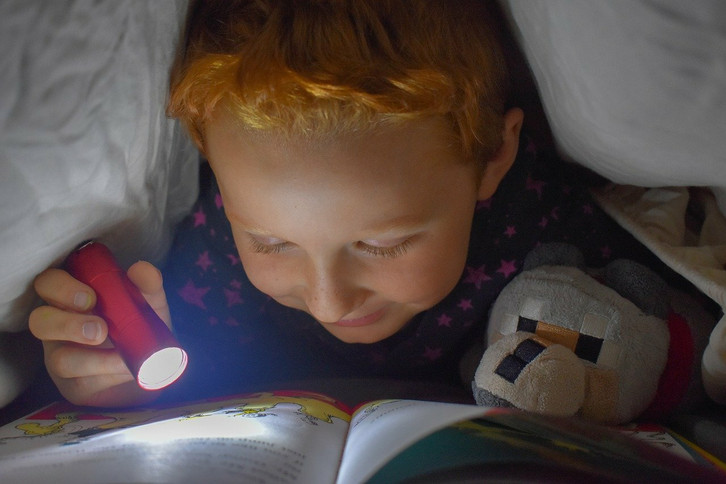
Boredom helps. If you choose to read something that isn’t all that exciting, you’ll notice how sleep overtakes you at some point. The letters are blurring and you can barely hold the book? Then turn off the lights and goodnight!
Edited by Lucas Drebenstedt
Read more on Techzle\.com:
- Sleep disorders: tips for a more peaceful sleep
- Sleep better with sustainable beds, mattresses, blankets, etc.
- Sleep rhythm: tips for healthy sleep
** marked with ** or orange underlined Links to sources of supply are partly partner links: If you buy here, you are actively supporting Techzle\.com, because we then receive a small part of the sales proceeds. More info.