
Going to sleep with wet hair can have a negative impact on your hair and your health – but not in the way you probably think.
After a strenuous day, many people just want to jump into the shower and then fall straight into bed. If you wash your hair beforehand, there is hardly any time for it to air dry. You may then no longer feel like blow-drying or you may want to avoid it for ecological reasons.
But going to sleep with wet hair can have negative consequences – even if the myth that you can quickly catch a cold has nothing to do with reality.
Does going to sleep with wet hair make you sick?
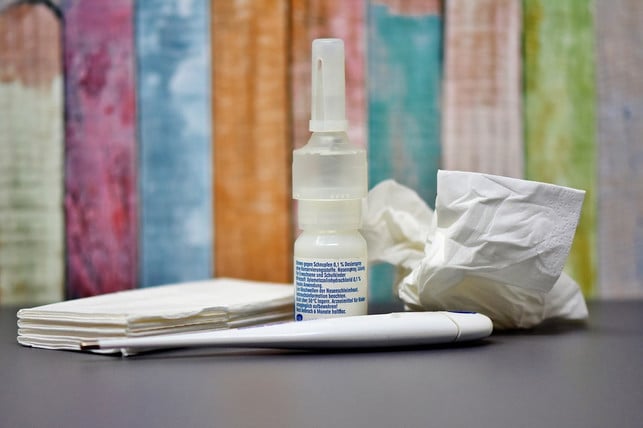
One of the common wisdom you often hear as a child is that you should always blow dry your hair well before going to bed. Otherwise you would be at risk of catching a cold because you would start to freeze more quickly. However, this statement is not scientifically based.
Doctor Chriag Shah tells Healthline that colds don’t come from people freezing or physically feeling cold. Colds only develop when you are infected with a cold virus. The virus spreads through airborne droplets when an infected person sneezes, coughs or talks.
Also read: Does freezing make you sick or does it toughen you up?
Nevertheless, Dr. According to Shah, one health risk if you sleep on wet hair at night: fungal infections on the scalp. Wet scalp and damp pillows are an ideal breeding ground for fungi. On the one hand, these can be fungi that are naturally found on the scalp, such as Malassezia. This can lead to dermatitis, a skin disease, and dandruff.
But fungi that can cause serious infections and worsen asthma symptoms in immunocompromised people also thrive in the warm, humid environment. Therefore, Dr. Shah, to always sleep with dry hair if possible.
Sleeping with wet hair: What does it do to your hair?

You’re also doing your hair a disservice if you don’t dry it before going to bed. Dermatologist Adarsh Vijay Mudgil explains the reason for this to Healthline: Hair is weakest when it is wet. If you go to sleep with wet hair and then toss and turn as you sleep, your hair is much more susceptible to breakage than when it is dry. Especially if you braid or otherwise tie your wet hair overnight, hair breakage can occur, as these hairstyles put increased tension on the hair.
Whether and to what extent your hair is stressed overnight when it is wet always depends on how often you go to sleep with wet hair. The individual nature of your hair also plays a role. For example, according to the Sleep Foundation, the risk of hair breakage is greater in chemically treated hair than in untreated hair.
You should pay attention to this if you go to bed with wet hair
If you can’t avoid going to sleep with wet hair, the following tips can help you put as little strain on your hair and health as possible:
-
Extend the time between washing your hair and going to bed. At least the hair can air dry a bit.
-
Use a conditioner: A conditioner helps seal the cuticle of the hair, reducing friction and making the hair easier to detangle. This prevents hair breakage. There is also evidence that coconut oil also protects against hair breakage.
- Make sure it’s not too cold in the bedroom. The ideal room temperature is between 15 and 19 degrees. In a colder environment, it takes longer for the hair to dry and bacteria have more time to spread in the moist environment of the scalp and pillow.
Read more on Techzle\.com:
- How often to wash your hair: This often is healthy
- Make your own cold bath: Mixtures for soothing baths
- Is sleeping naked healthy or unhygienic?
** marked with ** or orange underlined Links to sources of supply are partly partner links: If you buy here, you are actively supporting Techzle\.com, because we then receive a small part of the sales proceeds. More info.