
Second lives
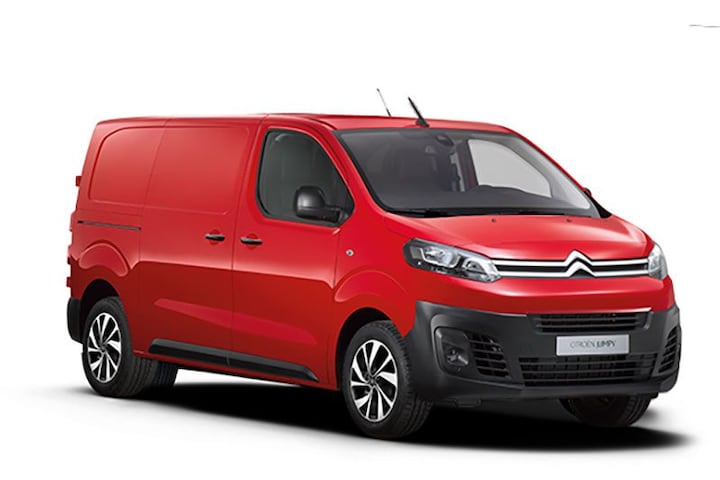
Stellantis enters into a strategic partnership with Qinomic, a developer of sustainable technologies. The aim is to offer EV conversions from 2024 for its already sold commercial vehicles with a (diesel) combustion engine, so that they can also enter the increasingly common European environmental zones in the near future.
Stellantis has a lot of vans in its range with the brands Opel, Peugeot, Citroën and Fiat. Some of them are also available as fully electric, but that has only been the case for a few years. For many years now, the group has been equipping its commercial vehicles with (mostly diesel) combustion engines. These are (too) quickly becoming partly irrelevant due to the increasingly frequent and stricter environmental zones in European cities. Vans with a diesel engine that are a few years old will no longer be allowed to enter some cities in a few years, while they will still be far from the end of their life.
In fact, in the environmental zone of Paris, for example, all (company) cars with diesel engines (including brand new ones) will no longer be welcome from 2024. Cars with a petrol engine from before 2011 are also not. Paris is one of the forerunners in banning ‘excessively polluting’ vehicles in its built-up areas, but many other European cities are taking a similar course. This means that an important usefulness of the commercial vehicles currently sold in Europe will be nullified in the near future – a shame in itself, they thought at Stellantis. So the company has come up with something.
Cheaper alternative to new EV company cars
Together with the French Qinomic, it will develop conversion packages for its existing commercial vehicles with combustion engine. This makes it possible to convert a conventionally powered van into a fully electric one. It is not yet known for which models Stellantis will offer the conversions. The duo does say they want to start selling it in 2024. It is particularly interesting for construction companies and courier services, for example, as they often have to be in urban areas. Stellantis wants to make the sustainability of commercial vehicle fleets more affordable thanks to these conversions.
The converted commercial vehicles are expected to have a fairly small range. After all, the ‘conventional’ architecture of the vans only offers limited space for a battery pack, mainly because it must remain sufficiently intact. According to Stellantis, the converted buses – quite logically – meet their original safety and inspection requirements after the conversion.
.
– Thanks for information from Autoweek.nl