
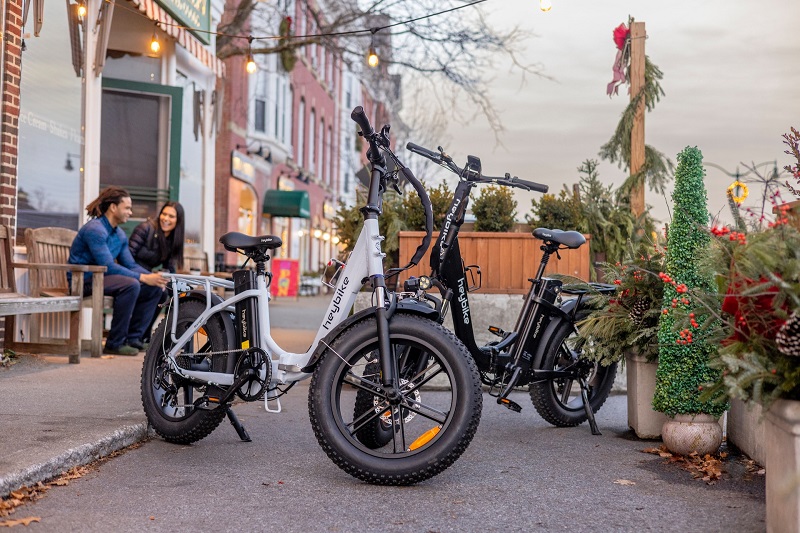
In the bustling streets of modern cities, a new era of transportation is emerging, led by the rise of electric bikes (e-bikes). These innovative vehicles are quickly becoming a key player in urban mobility, offering an efficient, eco-friendly, and cost-effective alternative to traditional transportation methods. In this article, we delve into why e-bikes are increasingly being seen as the future of urban transportation. From their ability to ease traffic congestion to their low environmental impact and health benefits, e-bikes present a compelling case for city dwellers and urban planners alike. As we explore the multifaceted advantages of e-bikes, it becomes clear why they are not just a passing trend but a sustainable solution for the future of city commuting.
Combating Urban Congestion: E-Bikes as a Solution
One of the most pressing issues in urban areas is traffic congestion. E-bikes emerge as a powerful solution to this problem. Their compact size allows riders to navigate through tight spaces and avoid the gridlocks that often plague cars and buses. Unlike traditional bicycles, e-bikes provide the added boost needed to cover longer distances and tackle hills with ease, making them a more viable option for daily commuting. By reducing the number of cars on the road, e-bikes significantly decrease traffic congestion. As more people opt for e-bikes, cities can expect smoother traffic flow, shorter travel times, and a more efficient transportation network overall.
Environmental Impact: Reducing Carbon Footprint
As cities strive to reduce their carbon footprint, more individuals are turning to eco-friendly transportation options. Among these, electric bikes stand out as an effective solution. With a range of electric bikes for sale, consumers have the flexibility to choose a model that suits their lifestyle while contributing positively to the environment. These bikes produce zero emissions, offering a greener alternative to traditional gasoline-powered vehicles. The shift towards purchasing electric bikes not only supports individual efforts to live more sustainably but also aligns with broader environmental goals of reducing urban pollution and promoting cleaner, healthier cities.
Accessibility and Inclusivity in Urban Mobility
E-bikes democratize urban transportation by offering accessibility and inclusivity. They level the playing field for people of various ages and physical abilities, allowing more individuals to enjoy the benefits of cycling. The electric assistance of e-bikes makes riding less daunting, especially for seniors or those with physical limitations. This inclusivity extends the reach of cycling to a broader demographic, making urban mobility more equitable. E-bikes can also be a game-changer for people living in hilly areas or those who find traditional bikes too physically demanding. By increasing accessibility, e-bikes encourage a diverse range of city dwellers to participate in active transportation, fostering a more inclusive urban community.
Economic Benefits for Users and Cities
Adopting e-bikes offers significant economic benefits, both for individual users and for cities as a whole. For users, e-bikes present a cost-effective alternative to owning a car or using public transport. They have lower upfront costs, minimal maintenance expenses, and no fuel costs. This affordability can be particularly beneficial for low-income urban residents. From a city’s perspective, widespread e-bike usage can lead to reduced road maintenance costs and lower public transportation subsidies. Additionally, e-bikes can boost local economies by increasing accessibility to city centers and local businesses. The economic advantages of e-bikes contribute to their appeal as a sustainable and budget-friendly transportation option in urban settings.
Health Benefits: Promoting Active Lifestyles
E-bikes not only revolutionize urban transportation but also promote healthier lifestyles among city dwellers. While providing electric assistance, e-bikes still require pedaling, offering a form of moderate physical activity. This active mode of transportation can lead to improved cardiovascular health, better muscle tone, and overall enhanced well-being. The accessibility of e-bikes encourages more people to choose this active form of transportation over sedentary alternatives like cars. Furthermore, e-biking reduces exposure to crowded public transport, potentially lowering the risk of infectious diseases. By integrating physical activity into daily commutes, e-bikes contribute to a healthier urban population, underscoring their role in fostering well-being in addition to being a practical transportation solution.
Enhancing Urban Infrastructure and Planning
The rise of e-bikes is influencing urban infrastructure and planning, prompting cities to adapt and create more e-bike-friendly environments. This includes expanding bike lanes, installing secure parking and charging stations, and integrating e-bikes into public transportation systems. These improvements not only make e-biking safer and more convenient but also encourage more people to consider it as their primary mode of transport. Urban planners are recognizing the importance of accommodating e-bikes in their designs, leading to more sustainable and efficient city layouts. As cities continue to evolve with these advancements, e-bikes are set to play a pivotal role in shaping the future of urban landscapes, making them more accessible and livable.
Addressing the Last-Mile Problem
E-bikes offer a practical solution to the ‘last-mile’ problem in urban transportation. This term refers to the final leg of a journey, which is often the most challenging part of using public transport. E-bikes bridge the gap between transit stops and final destinations, providing a quick and convenient way to complete this last segment. They are especially useful in areas where public transportation is not easily accessible or during times when services are limited. By solving the last-mile issue, e-bikes enhance the overall efficiency and appeal of public transportation, encouraging more people to use it as a part of their daily commute.
Integration with Smart Technology
The integration of smart technology with e-bikes is enhancing their functionality and appeal. Modern e-bikes can connect to smartphones, allowing riders to track their journeys, monitor battery levels, and even lock their bikes remotely. GPS-enabled e-bikes offer navigation assistance, making it easier for riders to explore new areas. Some models come with built-in safety features like automatic lights and emergency contact alerts. These technological advancements not only improve the riding experience but also add an extra layer of security and convenience. As e-bikes become more sophisticated, they are increasingly becoming an integral part of the smart urban transportation ecosystem.
The Future of Commuting: E-Bikes Leading the Way
E-bikes represent the future of commuting in urban areas. As cities grapple with environmental, health, and infrastructural challenges, e-bikes offer a viable solution that aligns with future trends. They provide a sustainable, efficient, and adaptable mode of transportation that meets the needs of modern urban dwellers. With continuous advancements in technology and infrastructure, e-bikes are poised to become even more integrated into daily life. Embracing e-bikes as a primary mode of transportation can lead to cleaner, healthier, and more sustainable cities, showcasing their potential to transform urban commuting for the better.