
Five in a row
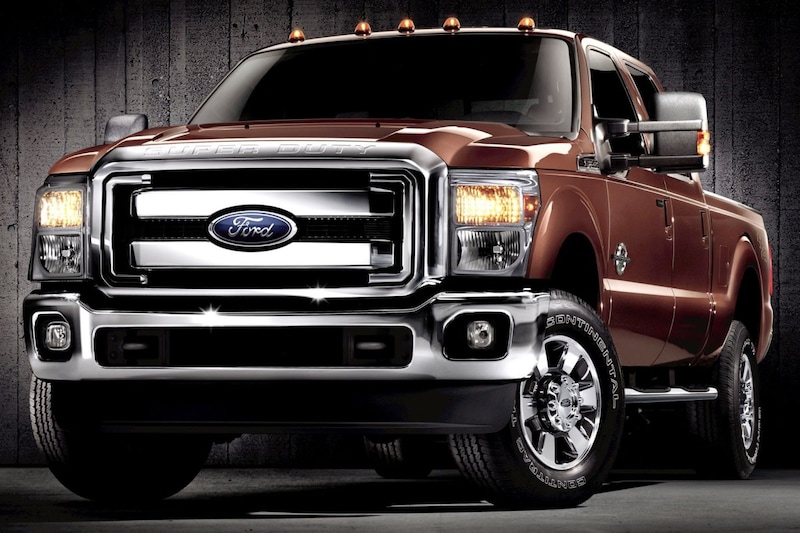
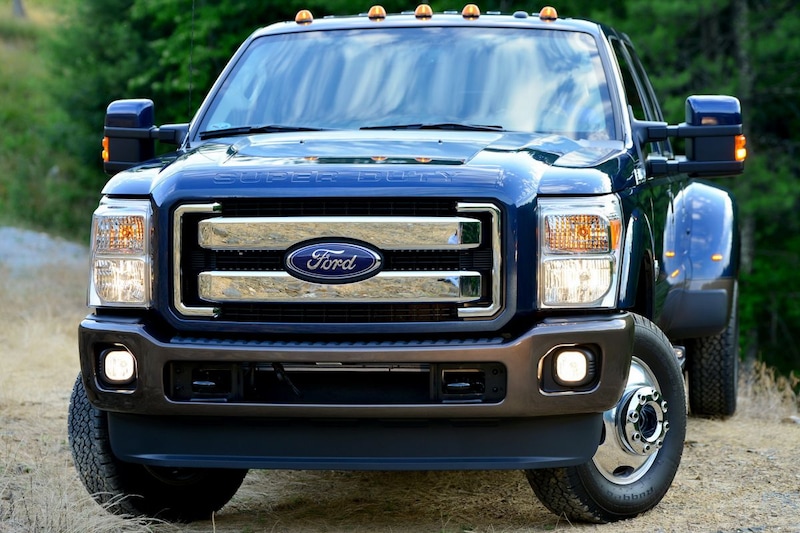
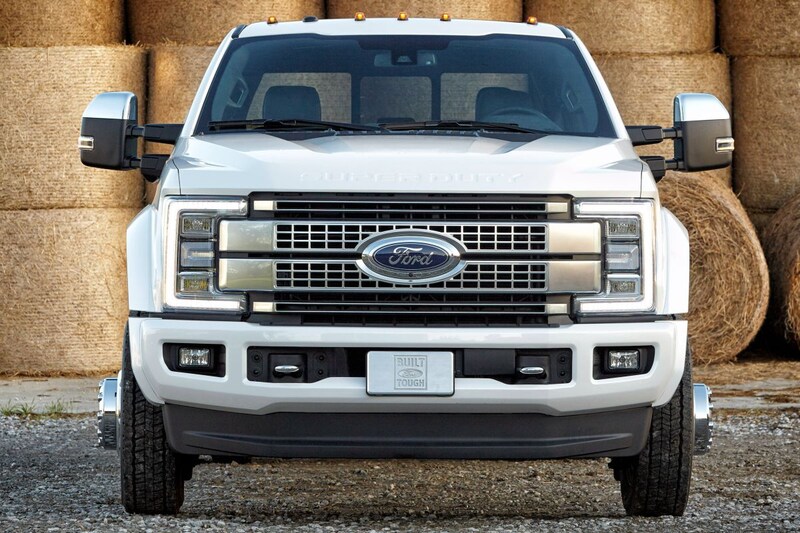
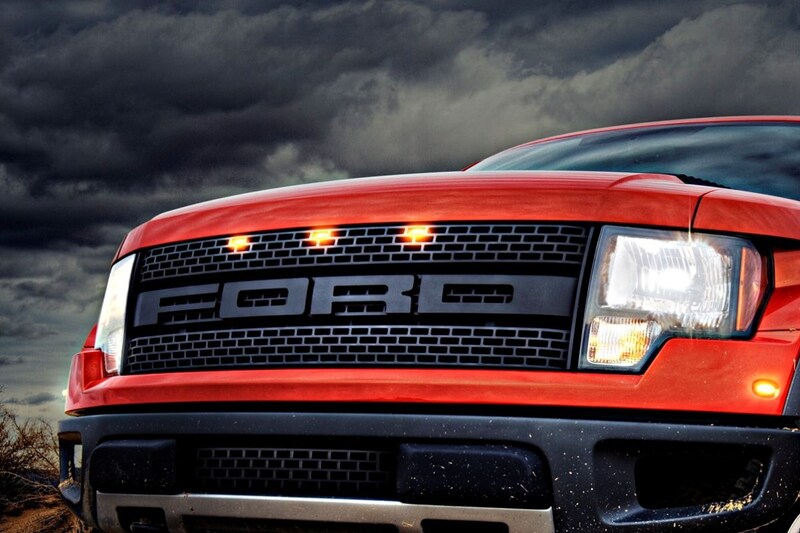

American pick-ups such as the Ram 1500, Ford F-150 and Chevrolet Silverado are certainly not uncommon in the Netherlands. The largest and toughest versions of these ‘trucks’ often have three orange lights in the grille, but what are they actually for?
When it comes to automotive lighting, you can roughly divide the world into two regions: ‘North America’ and ‘the rest’. Although taillights are red everywhere and headlights everywhere shine a white-ish light on the street, in the US, Canada and to a lesser extent Mexico they have their own ideas about what good car lighting should meet. Characteristic are the red direction indicators that are often used there, often in the form of a brake light that flashes. However, there are more differences. For example, every car intended for the American market is equipped with so-called ‘side markers’. Every car, large or small, must have an orange light on the front side and a red light on the back. These lights also have to reflect, which explains why even the most modern cars in the US have an orange-colored corner in the headlight.
Three in the middle, two on the corners
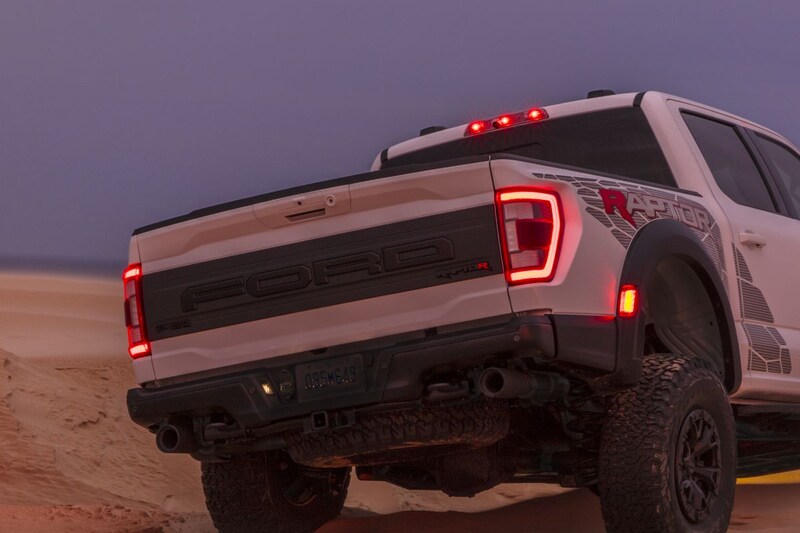
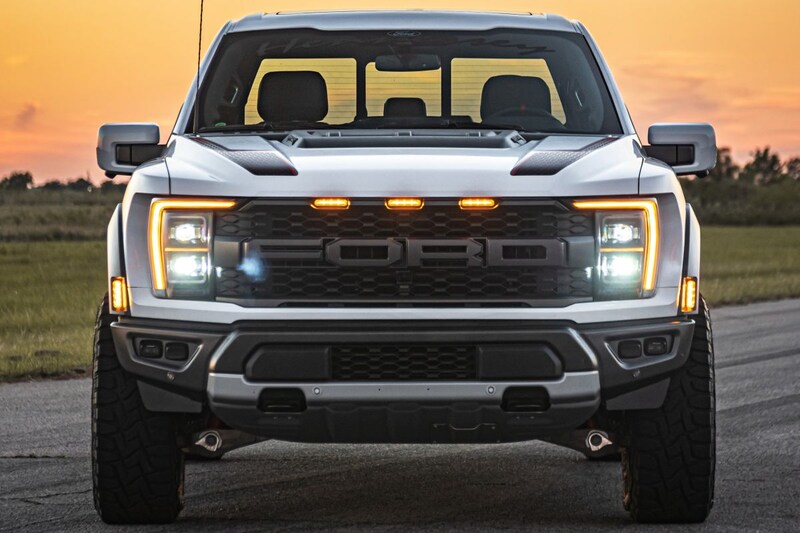
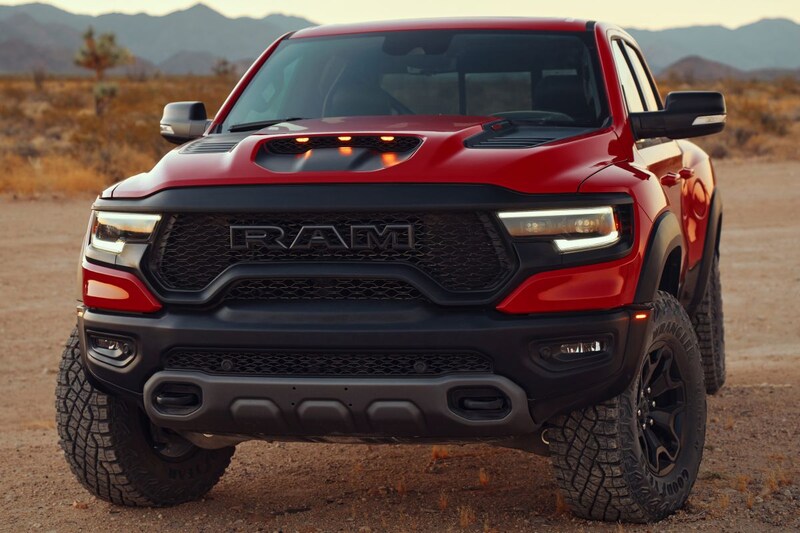
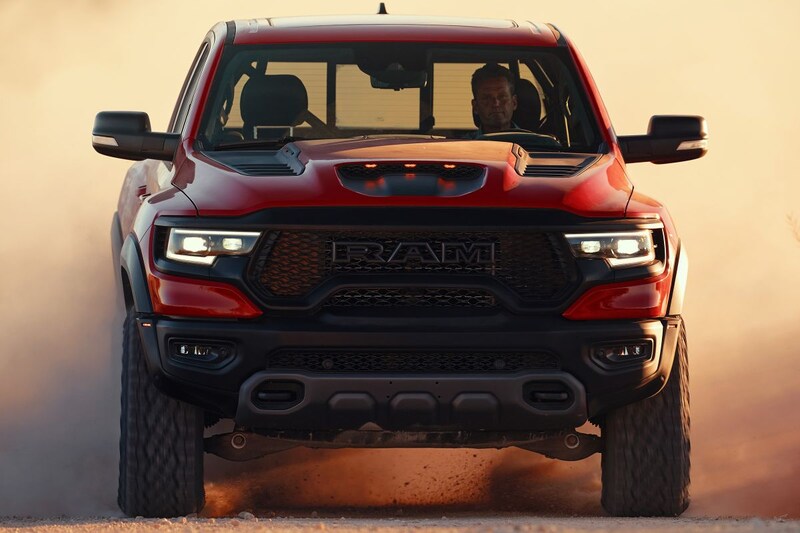
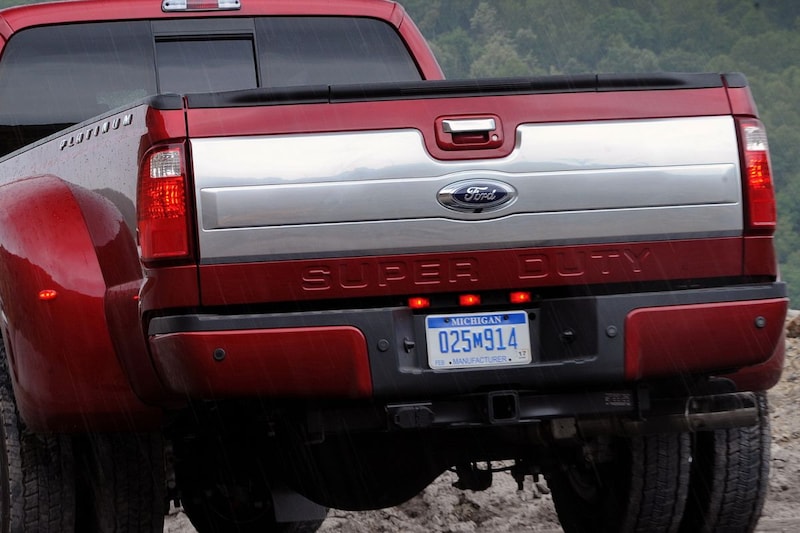
When Ford presented the first F-150 Raptor in 2010, an extremely brutal top version, that car had even more orange lights than we were already used to from the F-150. Five more, to be precise: three in the grille and two additional marker lights under the headlights. The lights in the grille in particular have remained characteristic of the Raptor ever since. Yet they are not unique to this car: every truck and (city) bus in the US has similar lighting, often on the roof. The same pattern is followed at the rear, but in red: two at the top on the corners, and three clustered in the center of the vehicle. The larger ‘heavy duty’ pick-ups also have them, also usually on the roof. The major competitor of the Ford F-150 Raptor, the Ram 1500 TRX, also has them. Here the lights at the front have been concealed in an even more creative way: they are located in the enormous air scoop on the hood, whose main task is to provide the 711 hp V8 with sufficient air.

Air in, light out: on the Ram TRX the identification lamps are located in the air scoop on the hood
‘Identification lamps’ and ‘clearance lamps’
Since the rise of the über pick-up, we have seen those striking extra lights more often in the street scene, but what are they actually? Why are they there, and why does a Raptor have them, but a regular F-150 doesn’t? The answer is simple: because a Raptor, just like the TRX, is wider than the basic model. The official name of the three centrally located marker lights is ‘Identification lamps’. Their goal is to make it clear to everyone in the dark that a quite large vehicle (even by American standards) is coming. The American legislator considers this necessary from a width of 80 inches, or 2.03 meters. The corner lights, which are placed on the corners of the roof of trucks and buses, are called ‘clearance lamps’. They come into view at the same 80 inches and are therefore inextricably linked to the central three, but have a different purpose: to indicate exactly how wide the large vehicle in question is.

Traditionally, the ‘set of five’ is often on the roof. Yet they do not indicate the height, but rather the width of a vehicle.
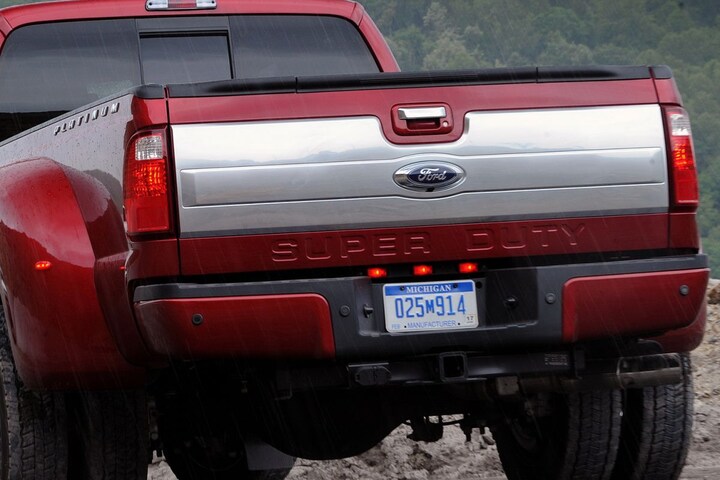
Although the law states that the central lights and the clearance lamps must be mounted ‘as high as practicable’, Ford apparently gets away with placing those lights in the grille. Apparently the law also allows some creativity at the rear, because here we often find the lights above or around the license plate. In the Netherlands, orange lighting at the front is not formally permitted, because light shining forward must be white. In practice, however, this is not seen as a major offense and drivers of such a pick-up or other American giant often get away with it. Fortunately, because then we can also find a safe haven in the Netherlands in time if such a four-wheeled monster rolls menacingly towards us…
– Thanks for information from Autoweek.nl