
No policy is also policy

With a caretaker cabinet at the helm, fiscal interventions in the car field for 2024 are limited. However, the most important issue is precisely due to a lack of policy, because what about road tax for electric cars?
1. Electric cars and MRB
While the growth in new sales of electric cars is slowly stalling, everyone in the sector is eagerly awaiting future policy. There is a lot of uncertainty about the tax rules for electric cars in the future. As the rules currently are, the MRB exemption for EVs applies until 2024. In 2025 you will still receive a 75 percent discount, but from 2026, as it is now formally arranged, the normal rate will apply. This is a problem insofar as the MRB is based on the weight of a car and electric cars are extremely heavy. EVs will then become much more expensive than comparable petrol cars. The possibility of a weight correction in standards has been discussed for a long time, partly because it was available for a long time for both hybrids and PHEVs (which are currently still receiving a discount). In practice, however, it is more difficult and such a rule has never actually come into effect. Now, not only is there a threat of a significant increase in taxes for EV drivers, but it is also noticeably a major brake for people who have yet to make the switch. The (financial) advantages of an electric car compared to an economical petrol car suddenly evaporate like snow in the sun, especially with the disadvantageous changes that are in the air for owners of solar panels. It creates a form of uncertainty that does not help with the transition to electric driving.
Some political parties still want to encourage EVs, but others believe that all the tax benefits have now been enough. Even after the elections, we still don’t know anything. We will have to wait until a new cabinet is actually in place.
2. MRB will increase for LPG and campers
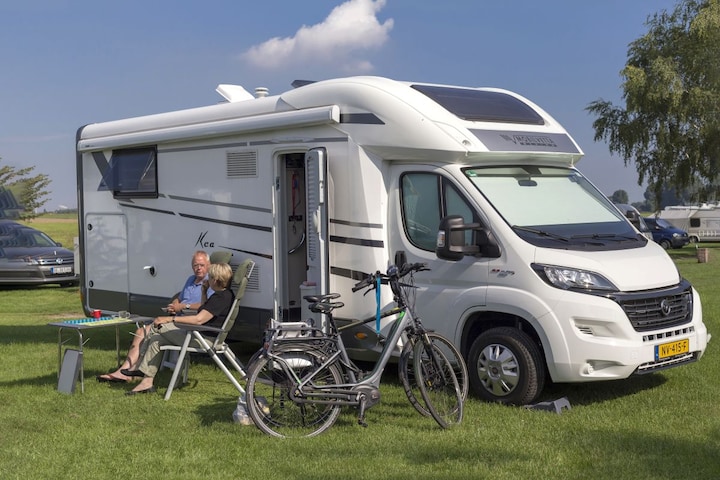
The discount on the so-called fuel surcharge in the case of a so-called LPG G3 installation will disappear as of January 1, 2026, as a result of which G3 drivers will also pay the full rate of motor vehicle tax (MRB). To illustrate: with a vehicle weight of between 1,251 and 1,350 kg, the road tax rate increases from €277 to €407 per quarter. This change also applies to cars running on natural gas. That is a remarkably significant increase. The outgoing cabinet also wants to increase motor vehicle tax for campers. Currently, camper owners still pay the quarter rate due to the assumption that such a vehicle is only used for part of the year. The government wants to increase the MRB to a half rate, which in practice doubles the MRB amount for this group. Both measures fit in with the idea that everything should slowly switch to electric. ‘Discounts’ on these types of fuels do not fit in with that policy. It is also a significant increase in burdens for the drivers in question.
3. Vintage cars slowly without benefit
The mrb exemption for vintage cars will be further reduced. The proposal is to ‘freeze’ the MRB exemption at the year of manufacture 1988. Cars from before that time would therefore still become MRB-free, but newer cars would not. This measure must take effect from January 1, 2028, not entirely coincidentally, the date on which a car built before 1988 is in any case forty years old. The underlying idea is that these types of cars will hardly incur any costs in the event of a future kilometer tax: after all, they are rarely driven.

The Lada Niva (right) is from 1986 and is in good condition, the Jeep Cherokee (1989) will never be tax-free
4. Mileage charge?
With the fall of the government, the introduction of a kilometer tax has become slightly less certain. What the future looks like will largely depend on the course of a new cabinet. A difference with previous years is that a proposal has been adopted that will start the process towards ‘pay for use’ towards 2030, but of course a new cabinet can always stop this if that is the political consensus. To be continued in 2024. The fact that more and more electric kilometers are being driven and excise tax revenues are falling as a result, also plays a role for parties that used to be against a kilometer tax. That money has to come somewhere today and cheap driving is something that never lasts long in the Netherlands.
5. Additional tax remains
For the tax addition, everything will remain the same in 2024. If you drive more than 500 kilometers privately per year with a business car, you must charge additional tax. That amount is added to the income. The Tax Authorities see this as a reward in kind. This also applies to electric cars. The rate is still 22 percent, but you get a discount for a fully electric car. You only have to charge sixteen percent on the first €30,000, but above that the full rate applies. There is also a rate of sixteen percent for hydrogen cars, but on the full value of the car. In all cases, the registration rate applies for five years, after which you must calculate the current percentage. This can be to your advantage if you start driving an electric car from a few years ago for business purposes. For example, 2019 EVs have a rate of four percent up to €50,000. That saves hundreds of euros per month!
Do you not want additional tax? Then you can keep track of your business kilometers, so that you stay below 500 private kilometers per year, or use your private car for business use and declare those kilometers.
6. SEPP subsidy for EVs
The Subsidy Scheme for Private Electric Passenger Cars or SEPP will also apply in the new year. As far as we know, this is the last year in which the subsidy scheme will exist. The purchase subsidy will be further reduced in 2024. In 2024, you will receive €2,550 in compensation on the purchase of a new electric EV up to €45,000. The purchase subsidy for electric used cars will remain at €2,000 until 2024. This incentive scheme will also end in 2025. Please note if you have an electric used car in mind: the original price of the car may also not exceed €50,000.
This article previously appeared in the AutoWeek Annual Special 2024.
– Thanks for information from Autoweek.nl