
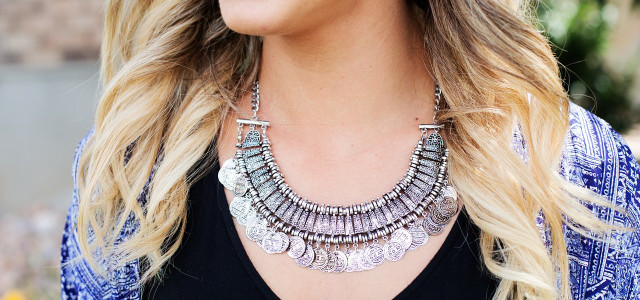
A nickel allergy is often caused by costume jewelry containing nickel and can be very unpleasant. In this article you will find out what the triggers and symptoms of a nickel allergy are and what provides relief.
Many people know the problem: they can’t wear certain accessories because they cause itching, redness and other skin problems. If this sounds familiar, you most likely have a nickel allergy.
Your skin reacts to nickel. Unfortunately, this substance is found in many everyday things, not just jewelry. We’ll explain how you can recognize a nickel allergy and what you can do to combat the annoying symptoms.
Trigger of a nickel allergy

Nickel allergy is one of the most common contact allergies. According to the health insurance company AOK, around every fifth to tenth person in Germany is affected by it.
If you have a nickel allergy, your immune system reacts to nickel ions contained in items containing nickel. They come off the metal when they hit the slightly acidic sweat from your skin. The nickel atoms bind to the body’s own proteins in the skin layers. Your immune system identifies this protein compound as a threat and begins to fight against it. This leads to inflammatory processes that cause the well-known symptoms of nickel allergy. According to AOK, frequent contact with objects containing nickel increases the risk of developing an allergy.
Nickel allergy: What does the substance contain?
Nickel is found in numerous metal alloys and can be found in the following everyday objects, among others:
- Jewelry (e.g. chains, piercings, rings)
- Glasses frames
- Coins
- Buttons and other fasteners on clothing
- Wristwatches
Did you know? In addition to the items mentioned, some foods also contain nickel. Potatoes, grains and some types of fruit absorb the metal through the soil and can also trigger a nickel allergy.
Nickel allergy symptoms

The nickel allergy is not an immediate type allergy like, for example, allergies to flying pollen. According to the European Center for Allergy Research Foundation (ECARF), symptoms of a nickel allergy are often not noticeable until one to three days after exposure. Small nodules and blisters usually form on the affected skin areas. In addition to this contact dermatitis, other skin reactions often occur:
- severe itching and burning of the skin
- Skin redness
- Swelling in the affected skin areas
- weeping wheals
- Flaking
According to ECARF, if your skin comes into frequent or long-term contact with objects containing nickel, chronic contact dermatitis can develop. This causes the skin to flake and the affected skin areas to thicken.
Help with a nickel allergy

If you think you have a nickel allergy, you should seek dermatological advice. A dermatological practice can use a simple skin test to check whether your skin is actually sensitive to nickel. You will then be advised on how best to treat the symptoms.
There is no cure for a nickel allergy, but you can alleviate your symptoms by taking a few measures, according to the AOK’s recommendations:
-
Avoid contact with nickel: Get rid of jewelry that has caused your skin reactions. Only wear jewelry that is labeled as nickel-free. If contact with objects containing nickel cannot be avoided, you should wear gloves when in contact.
-
Skin care: If you have sensitive and dry skin, this can worsen nickel allergy symptoms. Moisturizing and moisturizing skin creams can support the reconstruction of damaged skin cells. The best thing to do is to seek medical advice. You may be prescribed an ointment with cortisone, which inhibits your skin’s immune response. Additionally, antihistamines can relieve itching. According to the health portal Netdoktor, you should only use products containing cortisone on the affected skin areas and only for a short time to avoid side effects.
-
Low-nickel diet: Nickel is contained in numerous foods. These include, for example, nuts, legumes, potatoes, whole grains, cauliflower, mushrooms and chocolate. A nickel diet can improve your symptoms in the long term. However, according to the AOK, a diet low in nickel is not necessary in most cases and is only recommended in very severe cases.
-
Quit smoking: According to Netdoktor, tobacco smoke also contains large amounts of nickel.
Edited by Jennifer Watzek
Read more on Techzle\.com:
- Clean gold jewelry: How to make it shine again
- Cleaning jewelry: This is how it works with home remedies
- Make individual jewelry – this is how you make beads out of paper
** marked with ** or orange underlined Links to sources of supply are partly partner links: If you buy here, you are actively supporting Techzle\.com, because we then receive a small part of the sales proceeds. More info.