
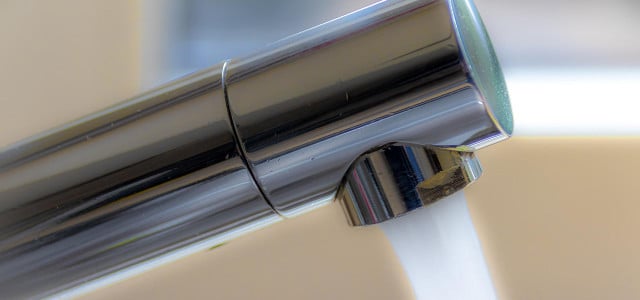
It usually takes a moment for cold, fresh water to come out of the tap in the morning. It is often said that you should let the water run first. But is that really necessary? We have tips and important information.

It is a well-known tip to let tap water run for a few seconds before drinking until fresh, cool water comes out. The reason for this measure: Bacteria (Legionella) could have multiplied in the water pipes. In view of the water crisis caused by climate change, one cringe when many liters of water disappear unused down the drain.
We asked: Should you let the water run first thing in the morning? Does the rule even make sense?
First of all, important to know:
- Tap water is the best thirst quencher – and drinking lots of water is important, not just on hot days or when we do sports.
-
Anyone who drinks tap water protects the climate and the environment: “The climate impact of mineral water in Germany is almost 600 times higher than that of tap water,” explains the consumer advice center.
- Water from the tap is around 100 times cheaper than purchased mineral water – and is generally just as recommended.
- You can safely drink tap water almost anywhere in Germany at any time of the year.
Let tap water run briefly before drinking: is that necessary?
Yes, recommend the water suppliers, the Federal Environment Agency and the consumer advice center.
The consumer advice center recommends that drinking water that has been in the tap for more than four hours should not be used to prepare food and drinks. If no water has flowed through the pipe for several hours, you should let the water run until it comes out of the tap cool.
Because the so-called “stagnation water” (water that has been standing in the pipes for several hours or days) is no longer fresh: substances from the fittings and pipes can settle in the water, and germs and bacteria can multiply.
For this reason:
“We recommend letting the water run until it no longer gets colder. Depending on the floor and the distance that the water has to travel from the pipe network to the tap, this can be 15 to 60 seconds,”
Astrid Hackenesch-Rump from Berliner Wasserbetriebe explains to Utopia. This is especially important when preparing baby food.
Important: When you come home after your vacation, you should first turn on the taps and let the stale water drain away. About ten liters should flow through the pipes before you drink from it.
How do I recognize fresh water? If the water comes out of the tap cooler than the stagnant water, it is fresh.
And what about water waste? In this case, health comes first. If you are worried about the large amount of water that ends up unused directly down the drain – you can easily save the water and use it for other purposes:
Saving water: 6 tips
If you don’t want to waste the first liters of stale, lukewarm water that comes out of the tap, you can collect it in buckets, large pots or jugs and use it in a variety of ways – for example:
- for watering houseplants
- for watering the garden
- for cleaning
- for rinsing
- to wash yourself
- for watering city trees
You can also save water in other ways without much effort: for example, by taking shorter showers, using a water-saving shower head or watering plants with rainwater.
Is legionella a danger to our drinking water?
Legionella, ie bacteria that occur naturally in fresh water, can multiply in hot water pipes. Legionella in tap water can cause flu-like illnesses and even severe pneumonia.
It’s important to know here:
- The risk of Legionella does not arise from water that has only been in the pipes for a short time, but especially after long periods of absence, for example after a vacation.
- The risk of Legionella is less with drinking water than with showering, when the water is misted and inhaled.
-
Legionella can hardly spread at temperatures below 20 degrees Celsius. The temperature of the groundwater in Germany is usually between 10 and 15 degrees, so cold drinking water is completely unproblematic.
After your vacation: This is how you make your cables safe again
After returning from vacation, you should let the water in the bathroom and kitchen run at maximum temperature for a few minutes: temperatures above 60 degrees kill the bacteria.
Every now and then, when it comes to energy costs, we hear the tip that you can lower the temperature of hot water systems. Because of the risk of legionella, you should not lower this temperature too much, but rather leave it at at least 60 degrees. “The warm water should always have a temperature of at least 55 degrees throughout the pipe system and always maintain a temperature of at least 60 degrees at the outlet of the drinking water heater,” recommends the Federal Environment Agency. Also read: Saving energy: Does a lower water temperature increase the risk of legionella?
If you are still unsure, you can also have your water tested for legionella by a private provider, for example at wassertest-online.de.
Read more on Techzle\.com:
- Residual water in the kettle: use or throw away?
- Testing tap water: reasons and contact points
- Mineral water test: Uranium, nitrates and pesticides – which is the best water?
** marked with ** or orange underlined Links to sources of supply are partly partner links: If you buy here, you are actively supporting Techzle\.com, because we then receive a small part of the sales proceeds. More info.