

Guayu tea is a traditional drink in many South American countries. The caffeine-rich tea is now also becoming more popular in Europe. Here you can find out more about the cultivation, effects and properties of guayu tea.
Guayusa (also known as Ilex guayusa) is a special species of holly from South America. There it grows at an altitude of 200 to 2,000 meters in the Amazon rainforest in Brazil, Colombia, Peru and Ecuador. The palm is an evergreen tree with a branched crown and reaches a height of five to 30 meters, depending on environmental conditions.
The elliptical shaped leaves of the holly can be dried and then used to prepare guayu tea. The tea is particularly rich in caffeine and is often drunk as an alternative to coffee.
Here you can find out what makes guayu tea different from other caffeinated drinks and how you can prepare it yourself.
Guayusaya tea compared to coffee and tea
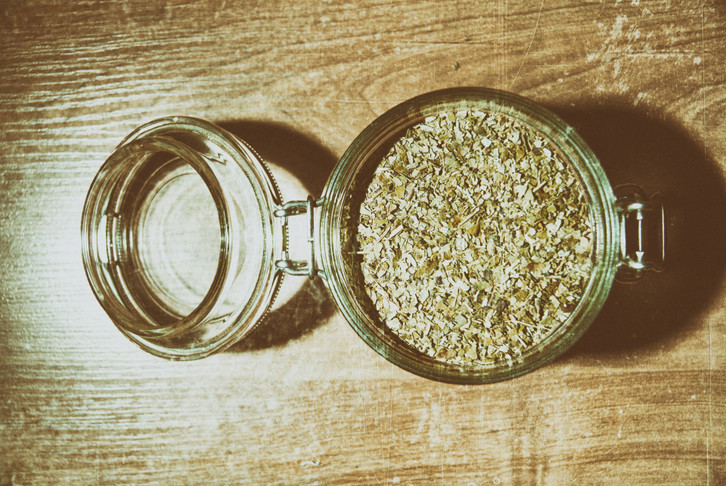
In terms of its composition and effect, the drink is similar to mate tea. Both plants are primarily known for their high caffeine content: According to the guayu tea manufacturer GUYA, mate tea has a caffeine content of around 1.4 percent, while guayu tea can even have a caffeine content of up to 7.6 percent.
In comparison, coffee has a caffeine content of up to 3.6 percent, depending on the type and processing, and other types of tea vary in their caffeine content between 1 percent and 3.6 percent. GUYA therefore describes guayu tea as the most caffeinated drink in the world.
This is how guayu tea works
Like mate tea, green tea and other caffeinated drinks, guayu tea has primarily an awakening effect. Caffeine can also improve thinking and coordination and naturally combat headaches.
According to manufacturers such as GUYA, guayu tea does not cause the unpleasant side effects of too much caffeine (such as restlessness, rapid heartbeat and tremors). Companies justify this with the changed caffeine composition in guayusa leaves. However, the statement has not been scientifically confirmed. If you react very strongly to caffeine, you should also be careful with guayu tea.
In addition to caffeine, guayusa leaves are rich in flavonoids and phenols. Studies on cell cultures showed that Guayusa has antioxidant and anti-inflammatory effects. Scientists attribute this effect to the flavonoids and phenols. Antioxidants fight against free radicals in our body and thus prevent oxidative stress and thus various diseases. However, there do not seem to be any meaningful clinical studies that describe a specific positive effect of guayu tea in humans.
Guayu tea is not known to have any harmful effects on health. Since the tea contains caffeine, you should only drink it in moderation and preferably not in the evening.
Prepare guayu tea

You can buy guayu tea as loose tea leaves, tea bags or tea pads and prepare it like other types of tea:
- Add one to two teaspoons of guayusa to one cup of boiling water.
- Let the tea steep for about five to ten minutes.
The more guayusa leaves you use per cup, the stronger the effect.
Buying tips and sustainability
The cultivation of Guayusa is interesting from an environmental protection perspective: Today Guayusa no longer grows wild, but is grown exclusively as a cultivated plant. The indigenous peoples have been practicing this cultivation in so-called Chacras for many centuries. These are forest gardens in which different plants grow next to each other in a certain way and have a positive effect on each other, so that no synthetic pesticides and fertilizers are necessary.
Unfortunately, from an ecological point of view, guayu tea is still a problematic drink. The leaves have to travel long distances from the Amazon to Germany and have a correspondingly poor ecological balance.
This is why you should only drink the tea in moderation and make sure it is organic and Fairtrade certified when purchasing it in order to support sustainable cultivation and fair working conditions. Matchachin tea, for example, is certified organic and has compostable packaging. It is also part of the Federal Ministry for Economic Cooperation and Development’s develoPPP program, which is intended to ensure sustainable supply chains.
Edited by Freya Petersen
Read more on Techzle\.com:
- Mate tea: Preparation and effects of the stimulant from South America
- Buy tea fairly: What organic seals, fair trade and direct trade say
- Black tea: effects, preparation and brewing time
Independent journalism needs people who stand behind it – including in Google searches. Now send a signal for more sustainability and → Save Utopia as a preferred source.
** marked with ** or orange underlined Links to sources of supply are partly partner links: If you buy here, you are actively supporting Techzle\.com, because we then receive a small part of the sales proceeds. More info.