
From almost 40,000 to less than 2,000 in a month
Car sales in Norway have virtually collapsed from one month to the next. In December, just under 40,000 new cars were sold, in January it was less than 2,000. Tax changes seem to be the main cause.
At the beginning of this year we already took a look at the car market in Norway, because it is quite special. Last year, more than 174,000 new cars were sold, almost 80 percent of which were fully electrically powered. An unprecedented EV share. Last year, the Tesla Model Y was Norway’s new best-selling car ever on an annual basis. That record had been held by the Volkswagen Beetle since the late 1960s. All in all, special developments in the Scandinavian country. Now again, because in January sales of new cars collapsed.
The Norwegian equivalent of the RDW, the OVF, reports that only 1,860 new cars were registered in January. Since 1962, already 61 years ago, the sales month of January was not so poor. The difference with the previous month, December 2022, is absurd; then 39,107 cars were sold. Compared to that month, more than 95 percent has gone down, compared to January last year, this is a decrease of 76.6 percent. OFV director Øyvind Solberg Thorsen says that a sharp drop in January was expected, but that this exceeds all expectations. “That the numbers would be so low, many probably did not foresee.”
What is going on and why has it already been taken into account? In Norway, various car taxes have been overhauled with effect from 2023. This has led to a huge run on (especially electric) cars at the end of 2022 and ensures that hardly anyone buys a new car. Compare it with the December months here in the Netherlands prior to the addition increases. This difference is just very big. From now on, Norwegians will pay VAT on electric cars that cost more than 500,000 Norwegian kroner (more than €45,000). Furthermore, new rates are now in force based on the weight of the cars. A Tesla Model Y is therefore (depending on the chosen version), for example, about €2,000 to €4,000 more expensive than last year.
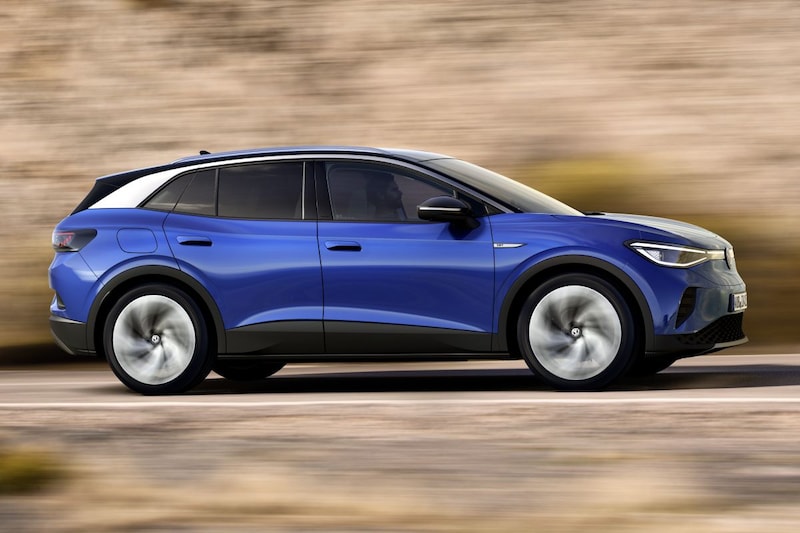
Of the new cars sold in January, 66.5 percent were fully electric. That share is also slightly lower than last year. However, an electric car was the best-selling model: the Volkswagen ID4. The – of course not fully electric – Toyota Yaris took second place, followed by the Skoda Enyaq, Mazda MX-30 and the Volkswagen ID3. According to OFV, it is exciting to see what will happen in the coming months and whether sales will pick up again. According to TV2 there has already been a nice madness on the second-hand market and bunches of almost unused cars are being offered that have just been registered in 2022. Dealers would have stocked up on quite a few cars before the turn of the year in view of the price increases and are now offering them ‘with a 2022 discount’.
– Thanks for information from Autoweek.nl