
‘Tuesday meeting day’, or not?
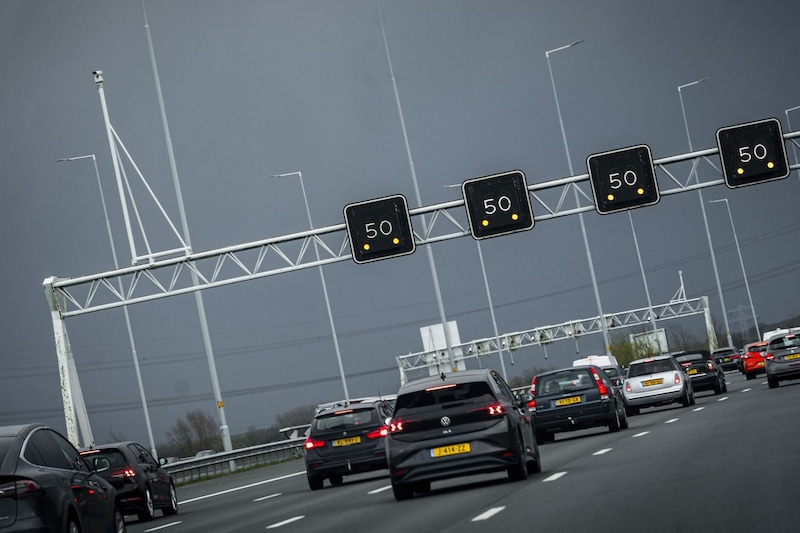
The traffic on the roads is completely back and because of old working habits it is especially busy again in the morning and late afternoon on Tuesday and Thursday. The Coalitie Anders Reizen calls on employers and employees to make different choices together.
After the corona pandemic, the so-called peak load on roads and public transport has intensified. Especially on Tuesday and Wednesday. Almost half of the working people in the Netherlands suffer from heavy traffic on Tuesdays and Thursdays, according to a study by Kantar with a literature study and a survey of 1,121 working Dutch people. The research was commissioned by the Coalitie Anders Reizen, a network of seventy large employers. This group wonders: what motivates people to get into the car or train during rush hour and what is needed to go to work at other times?
Because although four out of ten workers are not tied to a physical workplace, many of them still travel to work during rush hour. They do this, for example, because the boss wants it that way, because meetings are planned or because of habitual behaviour. That can be done differently, says the coalition of employers. For example, there are companies that agree with employees that you will not physically meet before 10 a.m., says Hugo Houppermans, director of the Coalitie Anders Reizen. “Or they agree that complete teams work together physically on Mondays and Wednesdays. Another way to get employees to avoid rush hour is to encourage the bicycle. Companies that are successful in this pay a higher mileage allowance for the bicycle than for the car. “
Nine out of ten employees do not want to ‘just’ come to work on other days, the study shows. But if the employer explicitly asks for this, then 48 percent of workers who are not tied to a physical workplace are willing to do so. This gives the employer ‘gold in its hands’, thinks Houppermans. “They can make new agreements with employees who are not tied to a physical workplace and with their team leaders. Employees want it to be useful to come to the office. Agreements about, for example, different starting times, ideal working days and working from home help with this.”
– Thanks for information from Autoweek.nl