
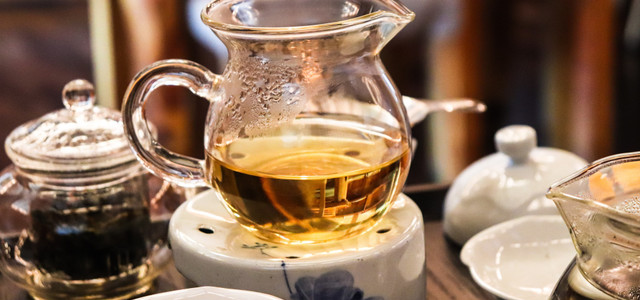
Clove water is a trendy home remedy that is supposed to improve your well-being – but can it really keep this promise? Here you can find the effect and application in the check.
Clove water is a simple home remedy that certainly corresponds to its name: water in which cloves have been marinated, infused or briefly boiled. So you could also call it clove tea or you can find it under the English expression “clove water”.
Cloves have been known and researched worldwide for centuries as a spice and also as a traditional remedy. Traditional Chinese medicine and Indian Ayurveda rely, among other things, on the healing powers of cloves. However, the extent to which the health effects of cloves can also be transferred to clove water has hardly been scientifically investigated.
What effect is clove water said to have?

The clove is a traditional winter spice in our latitudes. Among other things, it gives gingerbread its distinctive flavor and is part of the pumpkin spice seasoning mixture. But they are not only popular as a spice, but also as a medicine:
In online articles, clove water is considered a healthy trendy drink. Daily consumption is said to help increase energy levels, combat bloating and improve skin.
Other reports recommend clove water for oral hygiene. When mixed with tea tree oil and basil, it becomes an antibacterial mouthwash.
According to the report, clove water may also have antioxidant effects. A daily drink of clove water could help limit the harmful effects of oxidative stress on the body. This is caused by influences such as UV light, stress or an unbalanced diet and damages the cells. In this way, infections have an easier time and the development of diseases such as cancer or osteoarthritis is encouraged.
However, this effect of clove water has not yet been scientifically proven.
That’s what science says
Experts point out that scientific studies mainly focus on the effects of dried clove, its powder or clove essential oil. There are no corresponding research reports for clove water.
By the way: You may know clove oil as a “first aid home remedy” for toothache.
The naturopathic Carstens Foundation reports that the healing effects of cloves are mainly due to eugenol. Other ingredients such as flavonoids and tannins are also effective.
Eugenol has been well studied in medical research and has pain-relieving and antibacterial properties.
However, it is unclear whether clove water contains enough eugenol to have an effect. The component of clove oil is difficult to dissolve in water.
Make your own clove water: brew tea
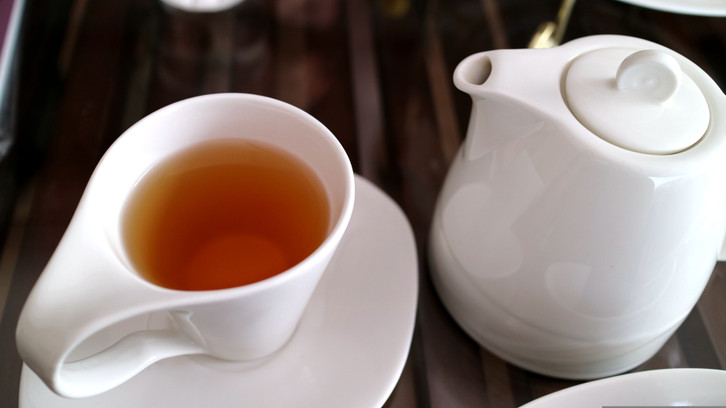
If you want to try clove water as a flavor experience or as part of a health-conscious diet, you can easily make it yourself.
For a large tea mug you only need:
- Three to four cloves
- Depending on the capacity of the cup, 250 to 300 milliliters of water.
This is how you prepare clove water as a spiced tea:
- Bring water to a boil in a pot.
- Add the cloves and simmer on a lower heat for another ten minutes.
- Allow to cool and drink lukewarm.
Tip: Try cloves as part of a spicy chai.
Clove water as a cold infusion
Another way to prepare clove water is to soak the dried cloves in the water.
- To do this, place a handful of cloves in a clean jar with a screw cap. Recycling tip: Use an empty screw-top jar that you have boiled.
- Now fill the glass with cold water and close it.
- For example, put the jar in your pantry and let it steep at least overnight.
- Pour the clove water through a tea strainer into a mug.
Tip: Only take as much water as you want to drink and refill the glass with fresh water. You can use the cloves two to three times this way.
Is clove water safe?

Essentially, clove water is easily tolerated by healthy adults. However, since it is unclear which clove ingredients are in clove water, you should handle the drink carefully in certain cases. If you have concerns about whether clove water is right for you, you should seek medical advice first.
As a precaution, be aware of the health concerns surrounding clove consumption and clove oil use.
The medical portal Netdoktor names some of the cases for clove oil:
- Caution is advised if you have blood clotting disorders or stomach ulcers.
- Clove oil can cause allergies.
-
Drug interactions are possible. These include, for example, blood thinners or medications prescribed for depression and anxiety disorders.
Netdoktor warns that small children should under no circumstances consume cloves. The effect during pregnancy and breastfeeding is also not clear.
Sustainability when buying cloves
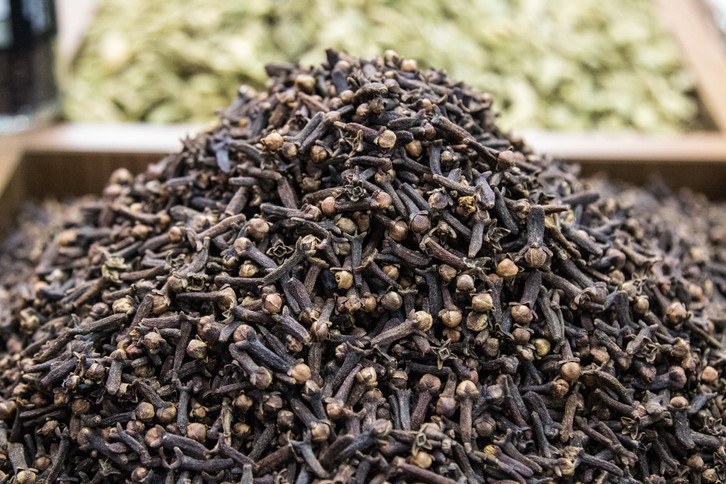
The cloves for clove water come from a tropical tree. The dried buds of the spice tree are sold as cloves. The tree is native to a group of islands that belong to Indonesia. The islands were previously known as the Spice Islands. But that was at a time when sailing ships still plied the seas and when trade was worth spices with gold.
Today, cloves still travel long distances to reach your supermarket shelves. The spice tree now grows in tropical regions in Asia and Africa. The spices are now transported by large cargo ships.
This means that they have usually already left a considerable ecological footprint due to the resulting CO2 emissions. The working conditions during harvesting in the countries of origin are also often not transparent. The Fair Trade Risk Map lists a number of concerns for spices and herbs.
Some examples:
-
Health risks for workers due to inadequate protective measures.
-
Child labor and wages below the subsistence level.
-
Land grabbing from indigenous populations.
When buying cloves, pay attention to controlled cultivation, organic quality and transparency in the supply chain. You can recognize this, among other things, by the organic seal for the absence of chemicals in cultivation. Fair trade certification indicates fair working conditions.
Conclusion: It doesn’t have to be clove water
Clove water is a drink that is good for you: but you can’t expect miracles. The effects have not been scientifically clarified. In addition, the tropical clove leaves a question unanswered when it comes to sustainability.
You can also achieve similar effects, such as a boost of energy and calming the stomach nerves, using local herbs. You don’t need to use tropical cloves for this.
For example, try fresh peppermint tea, fennel or chamomile tea. A mix of peppermint and fennel makes the ideal tea for the night.
Read more on Techzle\.com:
- Is matcha tea healthy? The effects and risks of the coffee alternative
- Lemon water: how it works and how to make it
- Detoxification: How it works and what it brings
** marked with ** or orange underlined Links to sources of supply are partly partner links: If you buy here, you are actively supporting Techzle\.com, because we then receive a small part of the sales proceeds. More info.